Hydraulic Torque Wrench Maintenance Guide for Long-Term Accuracy
hydraulic torque wrench maintenance, torque tool service, industrial torque tool care
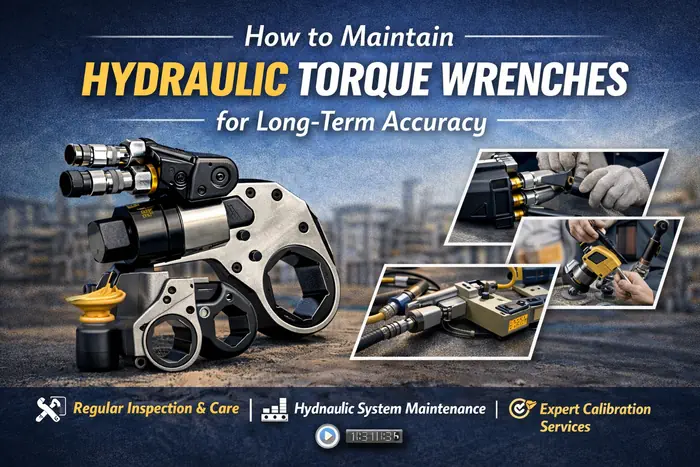
Hydraulic Torque Wrenches are precision tools designed for controlled and repeatable bolt tightening.
To maintain consistent torque output and ensure long-term operational reliability, proper maintenance is essential.
Neglecting routine service can lead to inaccurate torque, equipment failure, and increased operational risks.
A structured maintenance strategy helps extend tool lifespan and protects your investment.
Importance of Regular Maintenance
Hydraulic torque wrenches operate under high pressure and heavy loads.
Internal components such as seals, pistons, and ratchet mechanisms are subject to wear over time.
Without regular inspection, small issues can develop into critical failures.
Consistent maintenance ensures stable performance and accurate torque delivery.
Impact on Torque Accuracy
Torque accuracy is directly affected by the condition of internal components.
Worn seals or contaminated hydraulic oil can cause pressure fluctuations.
This leads to inconsistent torque output and uneven bolt preload.
Maintaining clean and functional components is key to precision fastening.
Daily Inspection and Handling
Visual Inspection Before Use
Operators should inspect the tool before each use.
Check for oil leaks, damaged hoses, and loose connections.
Ensure that all fittings are secure and free from contamination.
Early detection of visible issues prevents unexpected downtime.
Proper Storage Conditions
Store the torque wrench in a clean and dry environment.
Avoid exposure to dust, moisture, and extreme temperatures.
Protective cases are recommended to prevent physical damage during transport.
Proper storage reduces the risk of corrosion and contamination.
Hydraulic System Maintenance
Hydraulic Oil Quality Control
The quality of hydraulic oil plays a critical role in system performance.
Contaminated or degraded oil can damage internal components.
Regularly check oil condition and replace it according to manufacturer recommendations.
Using clean, high-quality oil ensures stable pressure output.
Seal and Hose Inspection
Seals and hoses are key elements in maintaining pressure integrity.
Inspect for cracks, wear, or leakage.
Replace damaged parts immediately to prevent system failure.
Routine checks improve safety and operational efficiency.
Calibration and Accuracy Verification
Scheduled Calibration
Hydraulic torque wrenches should be calibrated at regular intervals.
Calibration ensures the tool delivers torque within specified tolerance levels.
Most industrial applications require accuracy within ±3%.
Certified calibration services provide traceable and reliable results.
Performance Testing
Periodic testing verifies that the tool operates correctly under load conditions.
Testing helps identify deviations in torque output before they affect operations.
This proactive approach minimizes downtime and maintenance costs.
Common Maintenance Mistakes to Avoid
Overloading the tool beyond its rated capacity can cause permanent damage.
Using incompatible hydraulic pumps may result in unstable pressure output.
Ignoring small leaks can lead to major system failures.
Lack of proper cleaning can introduce contaminants into the hydraulic system.
Avoiding these mistakes ensures long-term reliability.
Choosing a Reliable Service and Supply Partner
Working with a professional torque tool service provider improves maintenance efficiency.
Experienced suppliers offer technical support, spare parts, and calibration services.
High-quality products combined with reliable service ensure consistent performance.
Customization and fast response times are additional advantages when selecting a supplier.
Benefits of Professional Support
Expert guidance helps maintain tools according to industry standards.
Access to genuine spare parts ensures compatibility and durability.
Professional maintenance services reduce operational risks and extend tool lifespan.
Conclusion
Maintaining hydraulic torque wrenches is essential for ensuring accuracy, safety, and long-term performance.
Routine inspection, proper storage, oil management, and regular calibration are key maintenance practices.
Investing in professional service and high-quality tools delivers better operational results.
If you are planning to improve your torque tool reliability, contact a trusted supplier for expert support.
Submit your inquiry today to receive customized maintenance solutions and competitive pricing.
Why Choose Axion™ as Your Supplier?
With 20 years of industry experience, Axion is a leading Chinese manufacturer of high-quality tools, offering competitive pricing and excellent customer service.We pride ourselves on exceptional quality control, extensive experience, and comprehensive after-sales service.